ACMS, the company that owns the Heart of Florida Landfill, currently has a permit open for a Class V exploratory injection well here in Sumter County. If the “geology of the exploratory well is found to support the planned injection activity, a Class I operation permit will be required to begin.” A Class I injection well that will allow them to pump thousands of hazardous waste water below our fresh drinking water. As a community, we have to make our concerns heard. Come to the next city or county meeting to make your voice heard, or just be there as a sign of solidarity with your community. We may not always agree on everything, but we need clean water to keep doing it.
Why This is a Problem…
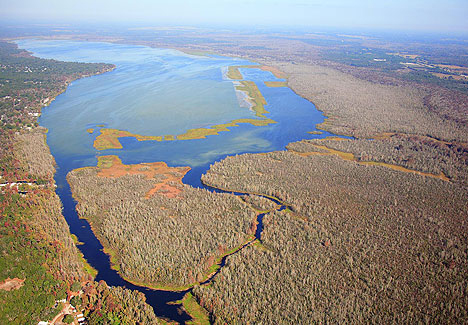
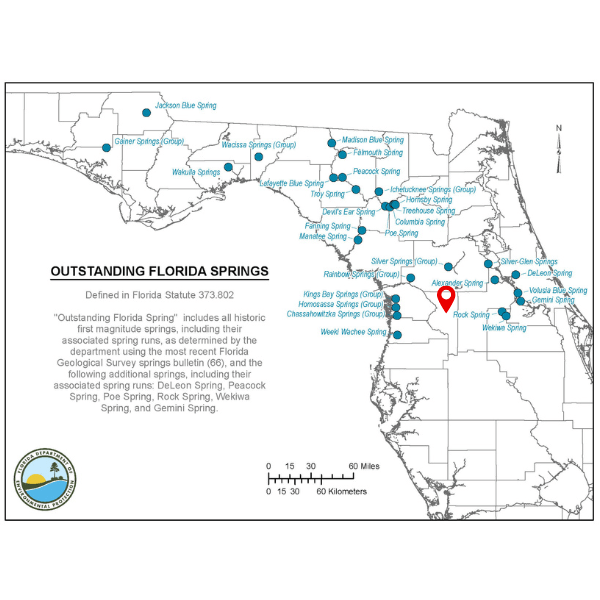
Keeping it simple, it puts our Floridan Aquifer as well as our gorgeous Florida Springs at risk for pollution. The red location dot shows the general area of the landfill and proposed injection well. You will see the springs surround the area and Lake Panasoffkee, which is just north of the landfill and is one of the largest spring fed lakes in the state.
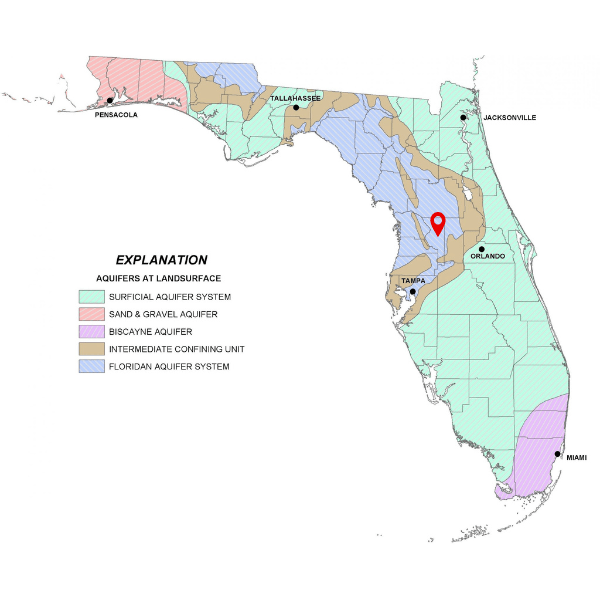
The Floridan Aquifer is a massive underground water source for much of the southeastern U.S., extending over 100,000 square miles and supplying drinking water to about 90% of Florida’s population. It is made of porous carbonate rocks and is characterized by features like caves and sinkholes, known as Karst Geology. ANY issues with the injection well could lead to the contamination of this major groundwater source.
As noted in the article below, failures of injection wells are routine. Even following all FDEP guidelines today, these wells could fail tomorrow. We saw it in South Florida in the 90’s when 20 major injection wells were compromised. It is not a matter of IF it is going to fail, it’s WHEN. So while it may not be tomorrow, or maybe even in your lifetime, it could be in your kids, or theirs.
Injection Wells: The Poison Beneath Us
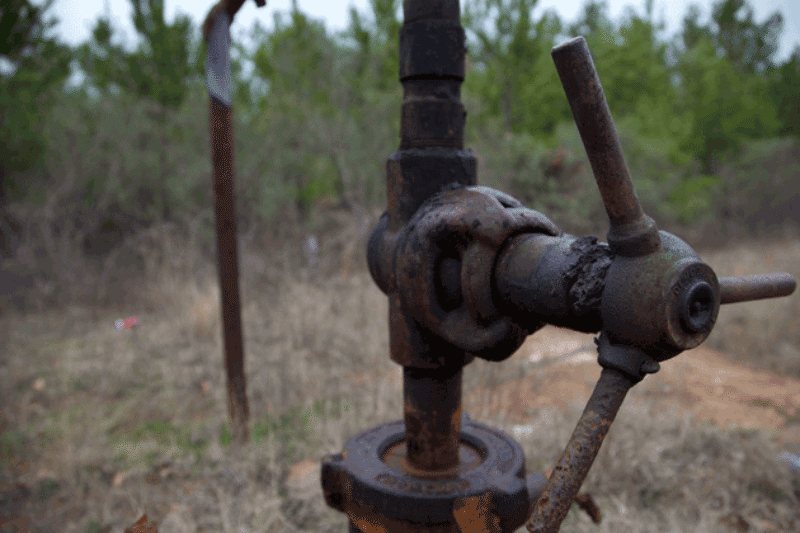
Lax oversight, uncertain science plague program under which industries dump trillions of gallons of waste underground…
Citrus County responds to Heart of Florida Landfill’s Proposed Injection Well and Bob Ruttenmiller Speaks
Click Image Below to Access INTERA’s Presentation on
Heart of Florida Landfill’s Proposed Injection Well
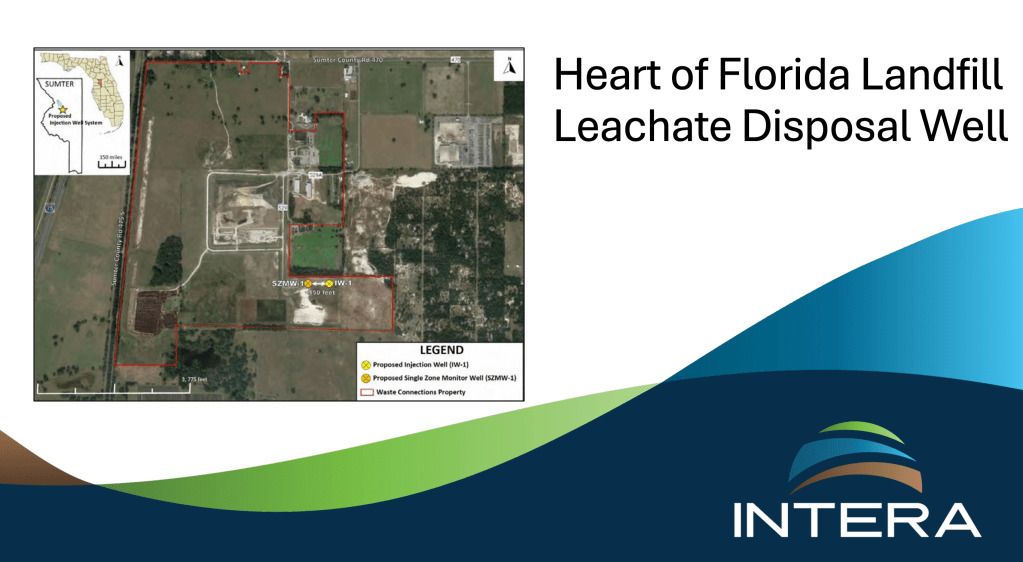
This was presented to the Withlacoochee Regional Water Supply Authority by Patrick Tara, Principal Engineer at INTERA. The organization INTERA has no affiliation with the Heart of Florida Landfill or the City of Bushnell and was only brought in to educate the public and the board.
What ARE Injection Wells?
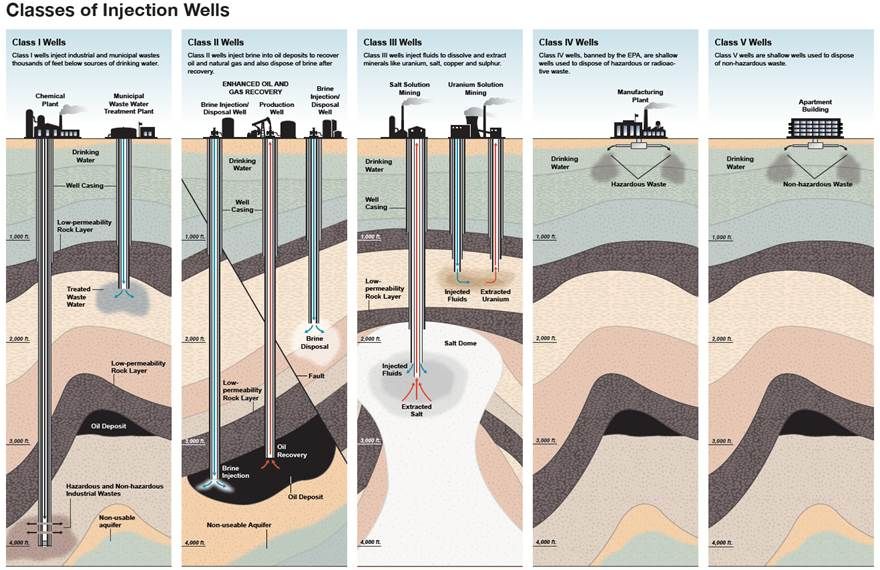
Injection wells are used to place fluids underground into porous geological formations for purposes such as waste disposal, enhancing oil and gas recovery, mining, and storing carbon dioxide. The fluids can include wastewater, brine, or water mixed with chemicals, and are injected into formations deep below underground water sources to “prevent” contamination.
What is a Class V Well?
Sourced from the EPA’s website on well classification
This initial permit is for an exploratory well to determine whether the area would support a Class I well.
Class V wells are used to inject non-hazardous fluids underground. Most Class V wells are used to dispose of wastes into or above underground sources of drinking water. This disposal can pose a threat to ground water quality if not managed properly.
The different types of Class V wells pose various threats. Most Class V wells are shallow disposal systems that depend on gravity to drain fluids directly in the ground. Over 20 well subtypes fall into the Class V category.
EPA estimates that there are more than 650,000 Class V wells in operation nationwide. Most of these Class V wells are unsophisticated shallow disposal systems. Examples include: agricultural drainage wells, stormwater drainage wells and septic system leach fields.
What is a Class I Well?
Sourced from the EPA’s website on well classification
This would allow Heartland of Florida to inject toxic wastewater far beneath our surface and could threaten our aquifer.
Class I wells are used to inject hazardous and non-hazardous wastes into deep, confined rock formations. Class I wells are typically drilled thousands of feet below the lowermost underground source of drinking water (USDW). Approximately 800 operational Class I wells exist in the United States. The geologies of the Gulf Coast and the Great Lakes areas are best suited for these types of wells. Most Class I wells are found in there.
Examples of industries that use Class I wells include:
- Petroleum refining
- Metal production
- Chemical production
- Pharmaceutical production
- Commercial disposal
- Food production
- Municipal wastewater treatment
Based upon the characteristics of the fluids injected, Class I wells fall into one of four subcategories.
Radioactive waste disposal wells
Hazardous waste disposal wells
 Clean Air, Water, and Soil for Sumter County